




A diverse group of professionals actively discussing documents and collaborating on a project.

About Our Approach

DataForge works with small businesses to develop and implement custom machine learning models for data analysis and text processing. Our process begins with a thorough assessment of existing data structures and operational needs. We then design a model that aligns with the client's specific environment. The following examples illustrate how this methodology has been applied in various contexts, demonstrating the adaptability of our solutions to different business scenarios. Each case highlights the importance of a tailored approach and the interplay between technology and business context.

Example Scenarios

A curated set of real implementation cases showing the range of DataForge's applications. These include inventory optimization, customer feedback analysis, document classification, and workflow automation across different small business sectors.
Top view of colleagues discussing and brainstorming ideas with clipboards in a meeting.
A close-up shot of a hand reviewing various logo designs on paper, ideal for business concepts.
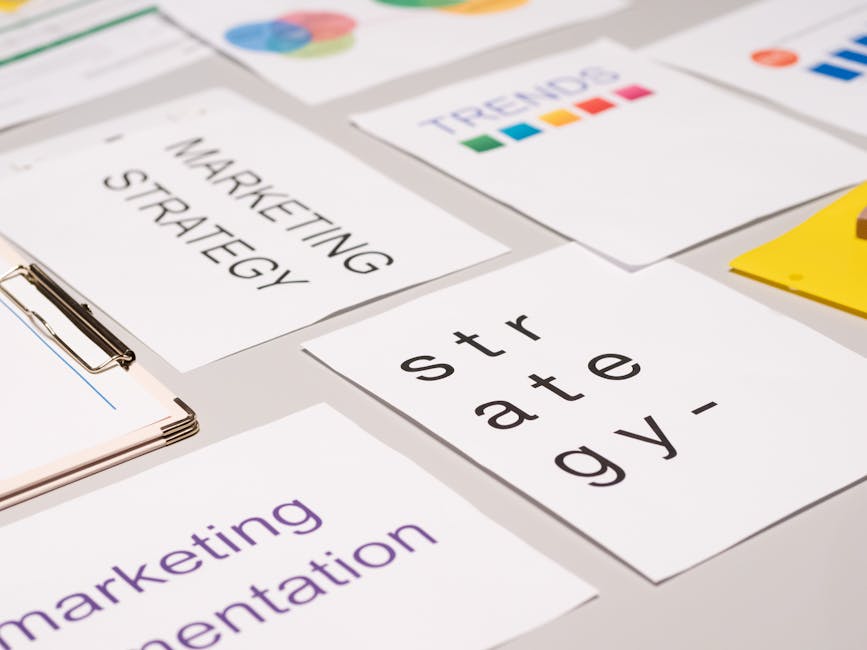
A top view of marketing strategy documents and graphs arranged on a desk, showcasing business planning.
Close-up of hands writing notes on notebook during business meeting with laptop and charts.

Inventory Forecasting with Machine Learning

One common application involves helping a retail business manage stock levels more efficiently. DataForge implemented a time-series forecasting model using historical sales data and external factors such as seasonality and promotions. The model was integrated into the existing inventory management system to provide regular predictions. The implementation required close collaboration with the client's team to ensure data quality and model calibration. This case demonstrates how predictive analytics can be integrated into routine operations, with outcomes depending on data consistency and business responsiveness.


Group of professionals collaborating in a bright, modern office setting.

Methodological Framework

Our implementation methodology follows a structured sequence: data audit, model selection, prototyping, integration, and monitoring. Each step is documented and tailored to the client's data environment. The examples on this page follow this framework, illustrating how different stages are adapted to specific business needs. This approach ensures that each deployment is context-sensitive and transparent.

Customer Feedback Text Analysis

Another case involved a service company seeking to automate the categorization of customer feedback. DataForge applied natural language processing techniques to classify comments based on sentiment and topic. The model was trained on historical feedback data and refined through iterative testing. After integration, the system provided structured summaries that helped the team prioritize responses. The effectiveness of this deployment depended on the quality of training data and ongoing feedback loops. This example highlights the role of text analytics in improving operational responsiveness.

Group of focused coworkers having meeting for discussing work plans and projects in open space

Contact Us

We invite you to discuss your specific data challenges and explore how our methods may apply to your business.

Request a Discussion

Contact Us

We invite you to discuss your specific data challenges and explore how our methods may apply to your business.

DataForge – Providing AI-powered data analysis methodologies for small businesses. We focus on practical, context-driven solutions to support informed decision-making.
🧠 DataForge
215 Market Street, San Francisco, CA
Privacy Policy

© 2026 DataForge. All rights reserved.

Terms of Use

We use cookies

We use cookies to ensure the proper functioning of the website, analyze traffic, and improve your experience. You can accept all cookies or reject them — the site will continue to operate. For more details, read our Cookie Policy.